
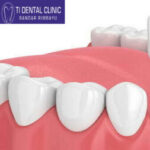
Porcelain Veneers vs Composite Veneers: Which Is Better?
Patients considering cosmetic dental treatment often compare porcelain veneers and composite veneers. Both options improve smile aesthetics, but they differ significantly in durability, appearance, cost, maintenance, and treatment process. Understanding these differences helps patients choose the best option for their needs. Dental paediatrician
Understanding Veneer Materials
Porcelain Veneers
Porcelain veneers are laboratory-fabricated ceramic shells bonded to teeth.
Composite Veneers
Composite veneers use tooth-colored resin sculpted directly onto teeth by the dentist.
Both systems improve cosmetic appearance but vary in performance and longevity. (healthline.com)
Appearance Comparison
Porcelain Veneers
Porcelain closely mimics natural enamel because of its translucency and light-reflecting properties.
Advantages:
Highly realistic appearance
Better color stability
Superior stain resistance
(colgate.com)
Composite Veneers
Composite resin also produces attractive results but may not achieve the same depth and translucency as porcelain.
Composite may discolor over time from:
Coffee
Tea
Smoking
Red wine
Durability and Strength
Porcelain
Porcelain veneers are stronger and more resistant to wear.
Average lifespan:
10–15 years or longer with proper care
Composite
Composite veneers are more prone to:
Chipping
Staining
Surface wear
Average lifespan:
4–8 years
(verywellhealth.com)
Treatment Process
Porcelain Veneers
Usually require:
Consultation
Tooth preparation
Impressions
Laboratory fabrication
Final bonding
Treatment often requires two or more appointments.
Composite Veneers
Composite veneers can frequently be completed in a single visit because the material is applied directly to teeth.
Enamel Removal
Porcelain veneers often require greater enamel reduction to accommodate ceramic thickness. Kids dentist
Composite veneers usually involve minimal preparation and may sometimes be reversible. (healthline.com)
Cost Differences
Porcelain Veneers
More expensive because of:
Laboratory fabrication
Advanced materials
Longer-lasting performance
Composite Veneers
Less expensive initially but may require more maintenance and replacement over time.
Repairability
Composite veneers are easier to repair directly in the dental office.
Porcelain veneers usually require complete replacement if significantly fractured.
Maintenance Requirements
Both veneer types require:
Excellent oral hygiene
Avoiding hard biting habits
Routine dental checkups
However, composite veneers may require more frequent polishing and maintenance.
Ideal Candidates for Porcelain Veneers
Porcelain may be ideal for patients seeking:
Maximum aesthetics
Long-term durability
High stain resistance
Comprehensive smile makeovers
Ideal Candidates for Composite Veneers
Composite may suit patients wanting:
Lower cost treatment
Minor cosmetic improvements
Faster results
More conservative preparation
Risks and Limitations
Both veneer types can experience:
Chipping
Detachment
Gum irritation
Sensitivity
Replacement needs over time
Patients who grind their teeth may require protective night guards. (colgate.com)
Emotional and Social Impact
Smile enhancement often improves confidence and self-image. Many patients report feeling more comfortable smiling in photos, conversations, and professional environments. (reddit.com)
Advances in Cosmetic Materials
Modern dentistry increasingly uses:
Nano-hybrid composites
High-strength ceramics
Digital smile planning
CAD/CAM fabrication
AI smile simulations
These technologies improve accuracy, aesthetics, and durability. (arxiv.org)
Final Comparison
Porcelain veneers generally offer superior longevity, aesthetics, and stain resistance, while composite veneers provide affordability and conservative treatment. The best option depends on individual goals, budget, oral health, and cosmetic expectations. Dental braces price


-
1 month ago


